
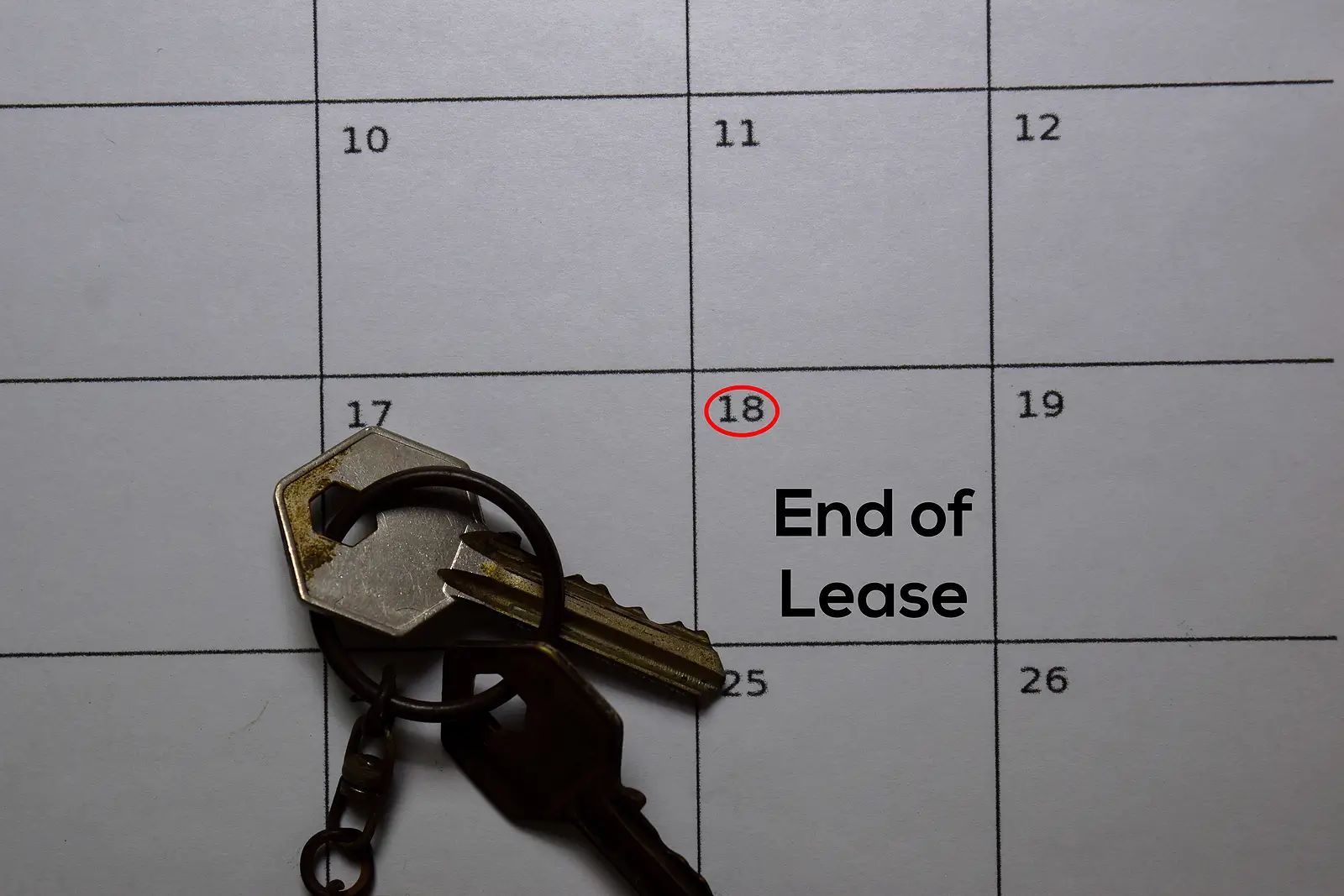
Atlanta moves fast. One week, your rental property sits spotless and ready. Next, a leaking sink, mysterious wall scuffs, and a frustrated tenant turn your peaceful investment into a to-do list longer than Peachtree Street during rush hour.
Owning rental property in Atlanta often feels like hosting a never-ending season finale, with surprises arriving without warning.
The truth most landlords quietly know is this: collecting rent is the easy part. Protecting your investment happens between lease dates, during inspections and maintenance visits, and in those moments when you decide whether a small issue becomes an expensive headache.
If you want your rental unit to remain profitable and avoid costly repairs, keep reading: inspections often determine whether your property stays an asset or becomes a burden.
Key Takeaways
Regular rental property inspections help protect your investment and reduce repair costs before problems escalate.
A detailed move-in and move-out inspection helps avoid disputes over the tenant's security deposit.
Routine maintenance inspections keep your Atlanta rental property in top shape for every new tenant.
Why Property Inspections Matter for Atlanta Landlords
If you own rental property in Atlanta, property inspections should never feel optional. From Midtown apartments to suburban homes in Sandy Springs, regular landlord inspections help you track your property's condition and protect long-term value.
Atlanta's humid climate, changing temperatures, and seasonal storms often create maintenance issues that go unnoticed. Regular rental property inspections help you spot signs of plumbing leaks, HVAC wear, and maintenance needs before repair costs spiral out of control.
How Rental Inspections Protect Your Investment
Every inspection gives you a clearer picture of your property's state. When you document issues early, you reduce the chance of unexpected expenses while keeping your investment performing well.
A strong inspection process also helps avoid disputes. When tenant concerns and property updates are documented, you build trust while protecting yourself from disagreements later.
What Happens During a Move-In Inspection?
A move-in inspection serves as the starting point for your tenant's lease. Before a new tenant moves into your rental unit, you need to document the property's overall condition.
During this process, you should walk through every room and note anything already present. A proper move-in inspection checklist protects both you and your tenant from future confusion.
Building a Thorough Move-In Inspection Checklist
A strong move in the checklist should include:
Light fixtures, broken windows, walls, nail holes, flooring, appliances, and smoke detectors
Plumbing system checks, HVAC system performance, sinks, faucets, and water pressure
Signs of wear, cosmetic flaws, and any repairs completed before move-in
Photos matter just as much as written notes. When you document everything with dates, you create proof that helps avoid disputes if questions appear later.
Why a Walk Through Sets Expectations Early
A walk-through works best when your tenant is present. This allows both parties to inspect the property together and confirm the condition of the rental unit.
That shared process creates a positive landlord-tenant relationship. It also helps tenants understand clear expectations for maintenance, cleanliness, and responsibilities during the lease.
What Atlanta Landlords Should Know About Move-Out Inspection
A move-out inspection occurs after a tenant moves out and before you prepare for another lease. This step determines whether the property remains in acceptable condition or needs necessary repairs.
Most landlords use a move-out inspection checklist to compare the rental unit with the original move-in checklist. Doing this protects you from unfair disputes while helping tenants understand possible security deposit deductions.
What to Include in a Move-Out Inspection Checklist
Your move-out inspection checklist should focus on:
Broken windows, damaged flooring, missing fixtures, excessive nail holes, stains, and appliance damage
Plumbing problems, HVAC concerns, and signs of neglect or new damage
Overall cleanliness and repair needs before the next tenant arrives
You should always compare move-out findings against the property's condition at move-in. This keeps decisions fair and responsible.
Understanding Normal Wear and Tear vs Damage
Not every issue deserves a deduction from the security deposit. Normal wear and tear includes faded paint, loose handles, light carpet wear, or minor aging from daily use.
Damage goes beyond normal wear. Large wall holes, broken fixtures, major stains, or neglected maintenance may justify deductions from the security deposit to cover repair costs.
When a Landlord Inspects Rental Property During a Lease
A landlord inspects rental property for several reasons during a tenant's lease, including safety concerns, maintenance needs, and routine checks. However, you should always respect privacy and comply with Georgia's notice requirements.
Most landlords conduct inspections every few months to protect their investment without overwhelming tenants. Finding the right balance helps preserve trust.
Why Proper Notice Matters Before Conducting Inspections
States require landlords to provide proper notice before entering a rental property. In Atlanta, giving reasonable notice keeps the process professional and respectful.
Common Areas Landlords Conduct Routine Checks On
Routine maintenance inspections often focus on:
Plumbing system leaks, HVAC system efficiency, smoke detectors, electrical outlets, and light fixtures
Signs of water damage, broken windows, mold, or structural concerns
Maintenance needs that could grow into costly repairs
When landlords conduct inspections consistently, the property remains functional and attractive for future renters.
How Routine Maintenance Inspections Help Avoid Bigger Problems
Small problems rarely stay small. A dripping pipe today may become water damage tomorrow, especially during Atlanta's rainy seasons.
Routine maintenance inspections allow you to fix problems before costs rise. Staying proactive protects your rental property while helping your tenant feel supported.
Preventing Costly Repairs Through Early Detection
When you inspect often, you catch problems before emergencies happen. Early fixes cost less and prevent expensive surprises.
How Inspections Help Avoid Disputes With Tenants
Inspection records matter because memory changes, but photos and documents do not. Keeping a consistent inspection checklist creates accountability for both parties.
Strong documentation helps avoid disputes involving repairs, damages, or the tenant's security deposit. Dates, signatures, and notes often settle disagreements quickly.
Finding the Right Balance Between Oversight and Respect
You want to protect your property without making tenants feel like they're being watched. Respectful communication helps maintain the right balance between professional oversight and tenant comfort.
Preparing Your Rental Unit for a New Tenant
Before another lease begins, your rental property should feel move-in ready. Completing repairs, maintenance, and upgrades helps attract a new tenant faster.
Atlanta renters expect clean spaces, working systems, and responsive landlords. Keeping your apartment or unit in top shape protects long-term value.
Creating an Inspection Plan That Works
The best landlords schedule inspections rather than react to problems. A clear plan keeps maintenance organized and your investment protected.
FAQ
Q1. How often should rental inspections happen?
Most landlords schedule regular rental property inspections every 3 to 6 months, depending on the property and lease terms.
Q2. Can you deduct cleaning costs from a tenant's security deposit?
You may deduct excessive cleaning costs if the rental unit shows more wear and tear than normal.
Q3. Why do move-in and move-out inspections matter?
They help document the property's condition and reduce disputes involving repairs or security deposit deductions.
Let Your Atlanta Rental Property Breathe Easier
At Rent Appeal, we know your rental property tells a story long before a lease begins and long after a tenant leaves. Protecting your investment should feel less stressful and far more rewarding.
From move-in inspection support and rental inspections to maintenance coordination, accounting, tenant communication, and property management services, we help you protect what matters most.
If you want your Atlanta rental property to stay profitable, cared for, and always ready for what comes next, we would love to walk that journey with you, one well-managed home at a time.
Other Resources:
Georgia HB 399: New Law Requires a Property Manager for Out-of-State Owners
The Ultimate Guide to Choosing the Best HOA Accounting Software in 2025